

Please, share ❤️
Twice a month, nearly a billion people spend two hours of their lives watching 20 drivers race around a track. It used to be a competition for fans of gasoline and roaring engines. Today, Formula 1 has become part of pop culture, a brand that competes with Netflix, Coachella, and the Met Gala.
The numbers are impressive: 826 million fans in 2025, the average age of viewers has dropped from 45 to 32, and the female audience has grown by 50% in three years. There is real money behind this: $3.65 billion in annual revenue for Formula 1, plus another $2 billion from sponsors. 24 races, 21 countries, 5 continents — niche motorsport has become a global lifestyle brand.
In a world where every frame becomes content, even the starting grid has turned into a red carpet, and drivers have become influencers with millions of followers. What is behind this crazy rise in popularity? Let’s take a look at the anatomy of the success of the fastest sport on the planet.
Bernie Ecclestone: the man who turned racing into a business
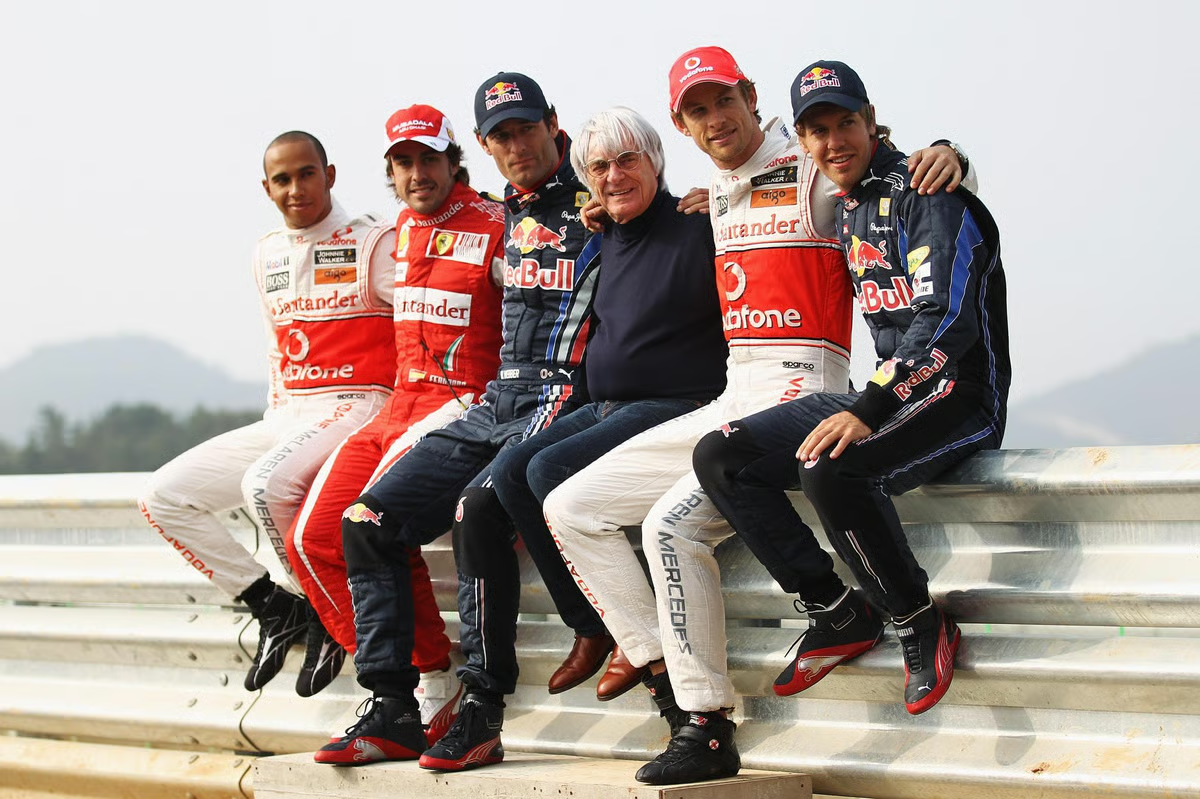
The beginnings of Formula 1 were far from glamorous. In the 1950s, it was a series of local races with no single brand, no uniform rules, and not even colored liveries. Cars raced in the colors of their countries, teams sought their own sponsors, and television broadcasts were random and chaotic. Most people around the world didn’t even know such a sport existed.
Everything changed when Briton Bernie Ecclestone entered the game. Until the 1970s, he sold used cars and dreamed of having his own racing team. In 1972, he purchased the Brabham team, joining the exclusive Formula 1 club. From his very first meetings with the owners of other teams, Ecclestone sensed an opportunity. The owners complained that they were about to go bankrupt. Each track negotiated fees separately with the teams — at that time, it was a maximum of $10,000. The race schedule remained chaotic, and no one could say for sure who was in charge of it all.
Ecclestone proposed creating a body that would optimize logistics and monitor payments. He made agreements with the tracks and ensured that all teams appeared at the race. For this, he asked for 8% of the amount that the organizers paid to the teams. Thus, in 1974, the FOCA — the Formula One Constructors’ Association — was formed.
By the end of 1972, his first season in F1, Ecclestone was demanding that all European organizers increase the prize fund to £43,000. In 1978, the amount rose to £190,000 per race. If the tracks refused to pay, the teams simply did not go there.
The television revolution
In the early 1980s, Ecclestone’s FOCA took control of the rights to broadcast sporting events. Given the state of sports television at the time, no one realized that Ecclestone had been given a goose that would lay golden eggs.
Before the 1982 season, Ecclestone sold the broadcast rights to the European Broadcasting Union, which included 92 channels. The payment was a seven-figure sum, but he created hundreds of hours of potential advertising for sponsors. The BBC paid £1 million for exclusive rights in Britain — a crazy amount for 1978. The result was a standardized television picture, professional commentators, and a predictable schedule.
Ecclestone personally controlled every detail of the broadcast: camera placement, interview length, even how drivers should behave in front of the cameras. He introduced a single weekend format: Friday practice, Saturday qualifying, Sunday race. Before that, each organizer came up with their own schedule. Now viewers in any country knew that if they turned on the TV at 2 p.m. on Sunday, they would see the race.
Onboard cameras, telemetry, and graphics appeared. Drivers ceased to be anonymous athletes — they became characters with personalities and stories. Ecclestone created a cult of personality around the drivers through mandatory interviews, pre-race ceremonies, and displays of their personal lives.
In 1990, the global audience for Formula 1 exceeded 1.2 billion viewers per season. The races were broadcast in over a hundred countries, and the cost of television rights rose to approximately $120 million.
Global expansion
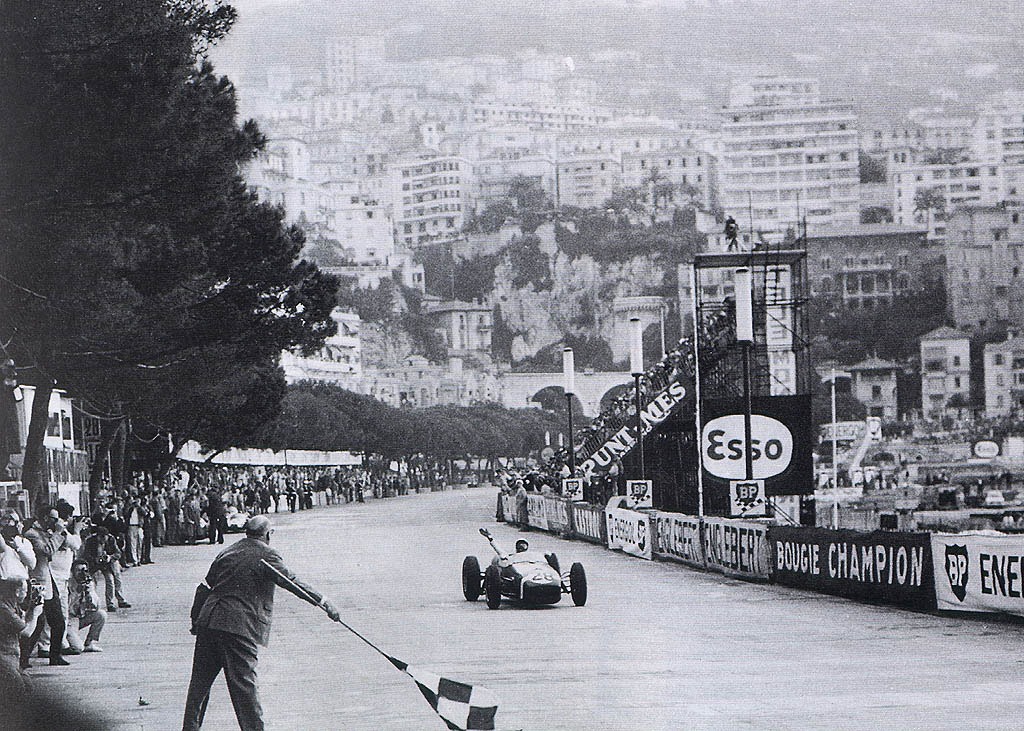
In the 1980s, Ecclestone began exporting F1 to other continents. Las Vegas (1981), Detroit (1982), Adelaide in Australia (1985) — each new race meant millions of new viewers. He offered fans a glamorous lifestyle: speed, luxury, celebrity among the audience, international status.
Race organizers paid for the right to join the global club of prestige. Ecclestone made F1 desirable for countries and cities as a symbol of success — very similar to Eurovision, the Olympic Games, or the European Football Championship. The Monaco Grand Prix transforms the principality, with a population of 30,000, into a stadium for 200,000 spectators. Just one Grand Prix weekend brings in 5% of the state’s annual revenue.
In 1989, when drivers’ salaries reached $6 million a year, Ecclestone personally earned $1 million per Grand Prix. In 1993, his total salary from two companies was $44.5 million. The teams received less than a quarter of the total profit, which outraged many. However, no one argued: Ecclestone made Formula 1 more popular than ever before.
In 40 years, he turned a niche European sport into a global entertainment industry. In 2017, he sold his empire to the American holding company Liberty Media for $4.4 billion. His fortune today is $2.4 billion.
Why the Ecclestone era ended
By the 2010s, the sport’s marketing strategy was stagnating. Ecclestone did not understand the value of social media and young audiences. In 2014, he said: “I don’t know why people want to reach the so-called younger generation. Most of these kids have no money. I’m not interested in tweets, Facebook, and all that nonsense. I’d rather reach a 70-year-old grandfather who has a lot of money.”
This approach created an image of Formula 1 as a club for rich old men. The audience was shrinking, the fan base was aging. F1 remained a valuable asset, but its growth had stalled. In 2016, ratings fell to 1.52 billion viewers per season. This created the conditions for a change in leadership.
Liberty Media: Americans open up the sport to fans
In 2017, Liberty Media, an American media conglomerate, completed its $4.4 billion acquisition of Formula 1, ending Ecclestone’s reign. Chase Carey, former CEO of Fox, became CEO. The new management team included Sean Bratche, former CEO of ESPN, and Stefano Domenicali, former boss of Ferrari. They rethought Formula 1’s marketing approach.
Greg Maffei, CEO of Liberty Media, saw the potential in F1 and won: by 2023, Forbes valued F1 at $17.1 billion — a 389% increase in value since the acquisition.
Liberty Media’s strategy was to modernize the way Formula 1 was promoted, get closer to fans, and develop the sport in new markets — especially in the US. The company decided to turn Formula 1 into an entertainment brand. The first step in this direction was the creation of the first-ever dedicated marketing department in Formula 1 history, which began working with social media, brands, and celebrities.
Revolution in social media
In the mid-2010s, Formula 1 had virtually no official social media presence. Ecclestone and management had established strict rules regarding content sharing. Teams were prohibited from posting race footage, and all interviews were approved and monitored.
Liberty Media changed these rules. Drivers were allowed to show behind-the-scenes footage, teams were allowed to film backstage, and viewers were allowed to get closer than ever before. Formula 1 entered Instagram, TikTok, Twitter, and YouTube. The company began to massively increase the amount of content — posting race highlights on Twitter, conducting interviews with drivers and team representatives.
The results were incredible. In its first year, Formula 1’s social media following grew by 54.9% to 11.9 million. For context, in 2016, Formula 1 had only about 7-8 million followers. In 2017, Formula 1 became the fastest-growing sports brand on social media.
The trend continued year after year. By 2018, the number of followers had reached 18.5 million (+53% over the previous year), and by 2023, the sport had 70.5 million followers. Formula 1 quickly picked up on TikTok and Twitter trends, picked them up, and then started creating its own.
The hashtag #F1TikTok has almost 2 million posts. In 2018, Liberty Media launched its own streaming service, F1 TV. The platform gave fans the opportunity to subscribe to live race broadcasts, watch onboard camera videos, and view archived content.
As a result, the American TV audience grew by 58% by 2021.
Netflix and Drive to Survive: the series that changed everything
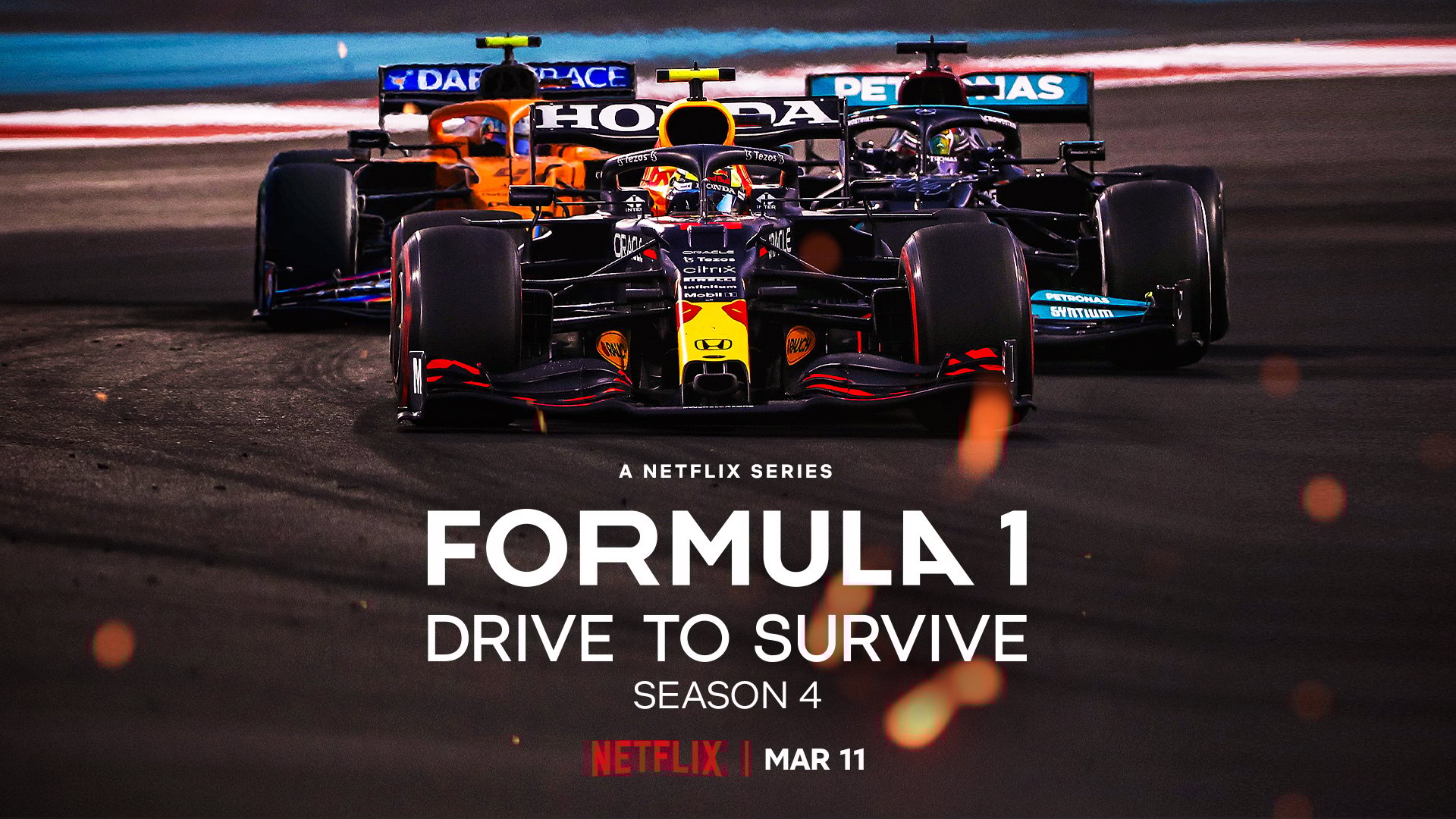
Today, no discussion of Formula 1 is complete without mentioning Netflix‘s Drive to Survive. Launched in 2019, this series has become a marketing masterpiece for Formula 1.
Back in 2017, Liberty commissioned Netflix to produce a 10-part reality show about F1 with unique behind-the-scenes access. Two teams, Ferrari and Mercedes, declined to participate. Privately, they were outraged by how little Netflix was paying. Global channels paid tens of millions of dollars for broadcasting rights, while the most popular streaming service got a glimpse inside F1 for just a few million.
The first season was released in 2019. The series showed the struggle between Formula 1 drivers, managers, and team owners on the track and in life. No one expected the mysterious world of F1 to be so candid. Formula 1 has transformed from a technical sport into a dramatic series. Instead of competing for milliseconds and strategies on the track, there were conflicts between drivers, team intrigues, and emotions on the verge of a nervous breakdown.
What made it special was that, for the first time, the story told about the behind-the-scenes of racing — the peculiarities of team management, the tension between drivers, and the fate of outsiders.
For the first time, people saw characters with their fears, jealousies, and rivalries. Formula 1 took on a human face, and the world suddenly realized that this sport is about stories.
Impressive numbers
30% of viewers say that the series gave them a better understanding of Formula 1. Many even became fans after watching it. The total annual TV audience for racing has grown to 1.5 billion in 2021-2022. Formula 1 owner Liberty Media has openly acknowledged that it was the series that helped revive interest in racing.
In three years, the American audience has grown by 58%, the female audience by 50%, and the average age of viewers has dropped from 45 to 32. Formula 1 has gained a new generation of fans: 826 million in 2025. They choose sleek McLarens, like Pierre Gasly’s Instagram posts, and plan their vacations around the next Grand Prix.
Before Netflix, F1 was mainly a European phenomenon. Now, the biggest growth is in the US, India, and Mexico. American universities are creating F1 clubs, and Asian audiences watch races at 3 a.m. Before the show, there was only one Grand Prix in the US (Austin), now there are three: Austin, Miami, and Las Vegas. The US has become the only country to host three races.
Domino effect
Following the success of Drive to Survive, other sports launched similar projects: tennis (Break Point), golf (Full Swing), soccer (Beckham, Captains), and NFL (Quarterback). Formula 1 became the first sport to turn a documentary into a marketing ploy.
Netflix made Formula 1 into a show. Liberty continues in this direction — in 2025, a feature film about F1 starring Brad Pitt was released, which was filmed during real Grand Prix races. With a budget of over $250 million, it was filmed on a special iPhone camera with cameos from drivers and team managers. In its first weekend, the film grossed about $140 million worldwide. In Ukraine, the film grossed 24.6 million hryvnia in its first week.
This is how Formula 1 is expanding its audience and becoming closer to the general public.
Drivers have become stars and influencers
The marketing revival of Formula 1 is largely based on the fact that the sport has been given a human face. Drivers and team managers have become ambassadors for well-known brands and influencers. Liberty Media understood that charismatic drivers are marketing gold.
The Netflix series played a decisive role. It made Daniel Ricciardo famous, drew attention to Lando Norris, told the story of Charles Leclerc, and turned Günther Steiner, Toto Wolff, and Fred Vesser into celebrities — they became fan favorites and meme heroes.
These people became the entry point for a new audience: a casual viewer starts watching Drive to Survive for the human stories, then moves on to watching the actual races. Daniel Ricciardo became a rock star, Lando Norris a YouTube blogger, and Lewis Hamilton a fashion icon.
They have millions of followers, collaborations with Gucci and Mercedes, and behind the scenes they joke, argue, and laugh like characters in a TV series. When a fan watches a race, they root for the person whose story they know.
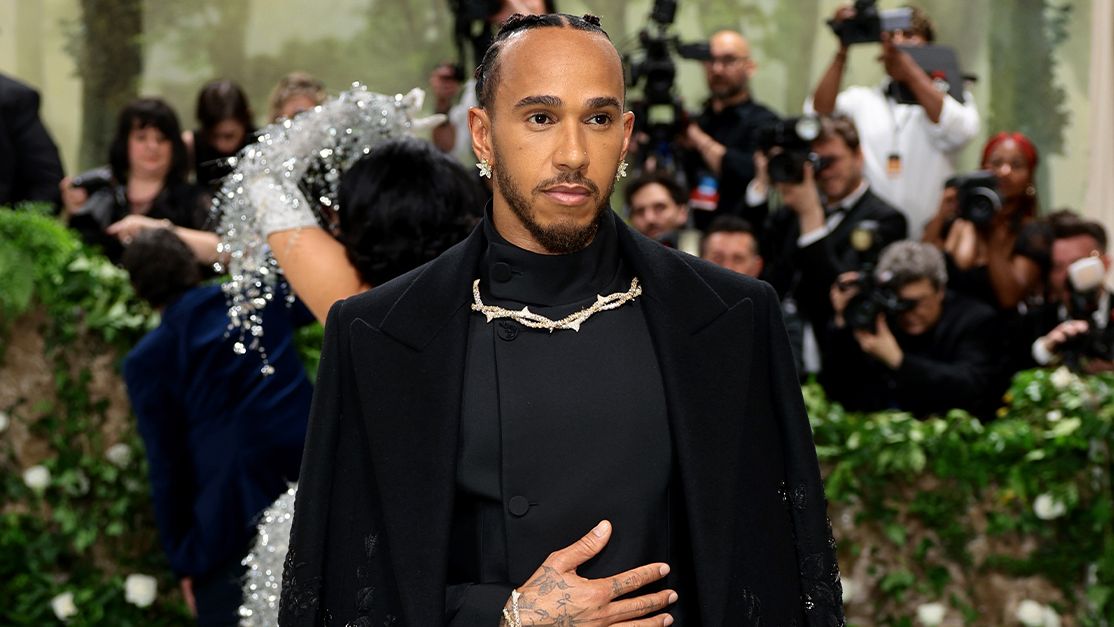
Lewis Hamilton: from champion to style icon
Seven-time champion Sir Lewis Hamilton has over 40 million followers on Instagram. This year, he co-chaired the Met Gala, the most prestigious fashion event of the year. He has collaborated with Louis Vuitton, Valentino, and Tommy Hilfiger. Last year, he became an ambassador for the French fashion house Dior and created a capsule collection of winter clothing. Hamilton remains the leading trendsetter in Formula 1. He is the voice of change in F1, advocating for equality, environmental initiatives, and the accessibility of racing for new generations.
He has won over 100 Grand Prix races and has become a pioneer in the world of fashion and activism.
The younger generation is building personal brands
Many drivers have created their own channels. Lando Norris runs a YouTube channel and streams on Twitch, playing sim racing games and interacting with fans. Charles Leclerc, the star of Ferrari, has launched a YouTube channel and writes music. He became the face of Giorgio Armani, representing the Made to Measure line of custom-tailored suits. He has 17 million followers on Instagram.
Max Verstappen, three-time world champion, has 13 million followers. Carlos Sainz works with Hackett London and is the face of their spring-summer campaign. Pierre Gasly is the first Formula 1 driver to represent the Gentleman Givenchy men’s fragrance.
Younger drivers Norris and George Russell have audiences in the millions. Even rookie Kimi Antonelli (who debuted in 2025) already has 1.9 million followers on Instagram — more than some champions in other motorsport series.
This direct interaction brings drivers closer to their fans and builds personal brands that often extend beyond the sport itself. Formula 1 teams and organizers are now actively promoting drivers’ stories as a key part of the show. Before races, social media heats up with rivalries or highlights important events.
Formula 1 also helps drivers build collaborations. They appear in promotional videos for race sponsors, participate in cross-promotions (F1 x NBA or F1 x NFL events where they exchange skills with other athletes), and attend global events as F1 ambassadors.
Brands and partnerships: a billion-dollar ecosystem
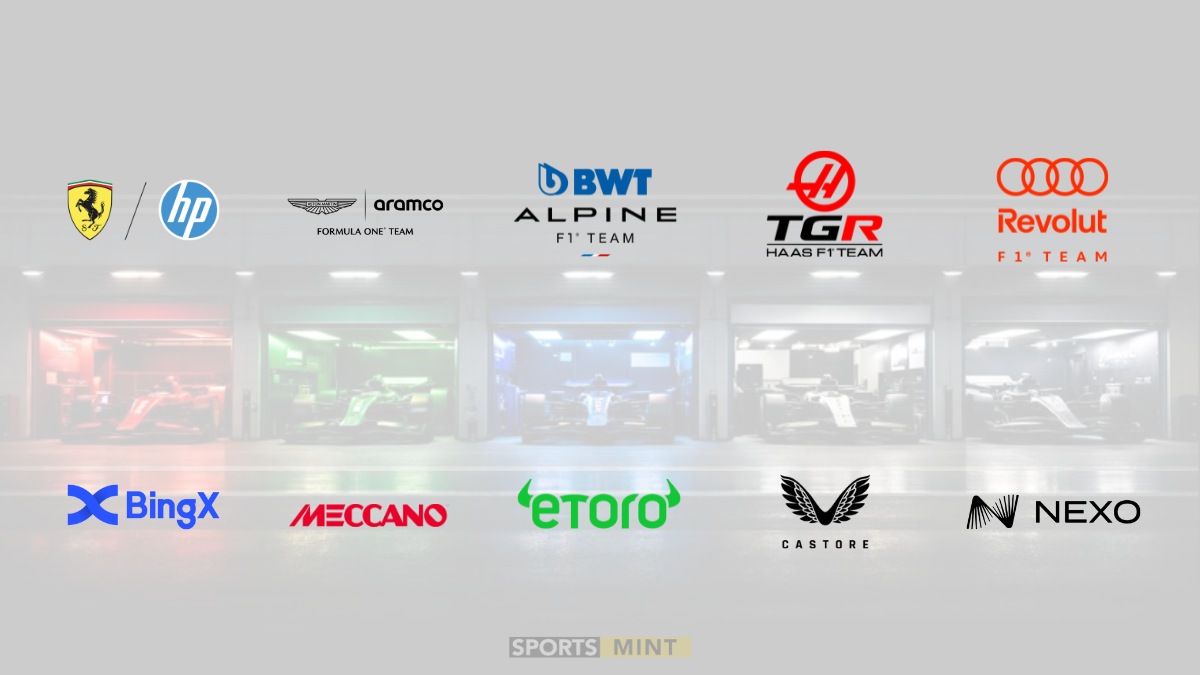
Under Liberty Media’s leadership, Formula 1 has established partnerships with brands that extend its reach beyond traditional motorsport sponsors. During Ecclestone’s tenure, Formula 1 focused on B2B deals — oil, automotive, and financial sponsors on cars. Liberty Media has expanded its collaboration formats to attract a new generation.
LVMH: a historic billion-dollar deal
In 2024, Formula 1 announced a historic ten-year partnership with LVMH, the world’s largest luxury goods group. The deal, worth around $1 billion ($100 million per season), covers the participation of key LVMH brands in various aspects of F1.
Instead of competing for individual advertising spots, the French syndicate controls various luxury segments in F1:
- Louis Vuitton manufactures exclusive trophy cases with the monogram and national colors of each country, as well as travel bags
- TAG Heuer replaced Rolex as the official timekeeper after 55 years — providing timing and watches
- Moët & Chandon replaced Ferrari Trento on the podiums, supplying champagne for celebrations
- Belvedere has created a new category — the first official vodka partner
F1 is now positioned as a luxury lifestyle experience — with synergies in fashion, gastronomy, and travel. Almost no other sports league can achieve this level of integration.
LEGO: engaging families and children
In 2024, F1 and LEGO announced a multi-year partnership. LEGO has prepared sets featuring all ten Formula 1 teams, sets for the little ones — LEGO DUPLO, and complex Technic models for adults. F1 and LEGO have LEGO play areas at the Grand Prix.
The reason is obvious: Formula 1’s youth fan base is growing. More than 4 million children aged 8-12 now actively follow Formula 1 in the EU and the US, and most of Formula 1’s TikTok followers are under 25. The partnership with LEGO integrates Formula 1 into family leisure activities.
Other major deals for 2025:
- MSC Cruises — the world’s third-largest cruise line has become the title sponsor of three Grand Prix races until 2026
- Qatar Airways — the official airline until 2027, offers package tours and flies to 180 cities in 85 countries
- Lenovo + Motorola — global technology partnership, Motorola — official smartphone partner
- PUMA — exclusive merchandising rights for all 10 teams, supplier to Ferrari, Aston Martin, Williams
- Barilla — official partner, opening Pasta Bars in the Paddock Club areas at championship stages
- PepsiCo — the company sees Formula 1 as one of the few global platforms capable of accelerating the development of consumer brands
Despite its focus on lifestyle and youth, Formula 1 maintains strategic ties with the large B2B sector — DHL, AWS, Aramco, Salesforce, and Lenovo remain among its partners. All of these more than 300 companies invest in technology demos, luxury associations, B2B sales platforms, and geopolitical influence.
New audiences: women, zoomers, the whole world
Women: from 32% to 41%
According to a Nielsen study, the share of women among F1 fans has grown from 32% in 2017 to over 41% in 2023. This is one of the highest figures among traditionally male-dominated sports.
In 2023, Formula 1 launched the F1 Academy, a racing series for young women aged 16-25, with the aim of creating a bridge to professional motorsport. The series is funded directly by F1, and from 2024, each of the 10 teams in the main championship will support one participant with a branded car.
The F1 Academy is an opportunity for brands to focus on a young female audience. In 2024, Tommy Hilfiger, Charlotte Tilbury, and Puma joined as partners. F1 Academy races are held as part of the main championship weekends. In 2025, a documentary series about the F1 Academy was released on Netflix.
Zoomers consume F1 as an entertainment franchise
TikTok has created a new category of content: the hashtag #F1TikTok has almost 2 million posts, with users explaining the races through 60-second videos. Drivers have become influencers, such as Lewis Hamilton, who has 40 million followers on Instagram and even hosted the 2025 Met Gala.
Zoomers consume F1 more as an entertainment franchise. Less than 30% of new fans (aged 16-30) watch full races; they spend more time on F1 content via TikTok, podcasts, and drivers’ Instagram accounts. New fans are interested in stories about speed and ambition.
USA: from zero to key audience
The USA was one of the most difficult markets for Formula 1. Competing in the USA in the 1970s in upstate New York, teams only lost money. Ecclestone tried to move the race to Las Vegas in 1981, setting up a track in the parking lot of the Caesars Palace entertainment complex. He was unable to convince fans to come or television to pay attention.
F1 returned to the US again and again. In 2005, F1’s reputation in America suffered irreparable damage. 120,000 people bought tickets for the race in Indianapolis, where only six cars took to the track. All the others refused to participate due to a problem with Michelin tires. Michael Schumacher completed 73 laps to victory amid a hail of boos, bottles, and ridicule.
In 2017, the prospects for Formula 1 on US television looked so bleak that the new owners of Liberty, in an agreement with ESPN, transferred the broadcasting rights for free.
The series Marry to Survive changed everything. When the third season was released in March 2021, the series immediately topped the global Netflix charts. ESPN’s Grand Prix ratings also jumped. That season, each race was watched by an average of 949,000 viewers in the US — 56% more than the previous year. In 2022, that number was 1.21 million.
Liberty Media opened an office in New York, refocused its marketing on storytelling and cultural context (similar to the NFL), promoting the Haas team and American drivers. In 2022 alone, race viewership in the US grew to 1.2 million per event, with the average audience age dropping to 32.
New races in Miami (2022) and Las Vegas (2023) have been turned into entertainment events, with VIP areas, parties, showbiz stars, and brands. This approach is working: tickets are selling out, more sponsors are joining every year, and Formula 1 has become part of American sports culture.
Global expansion continues
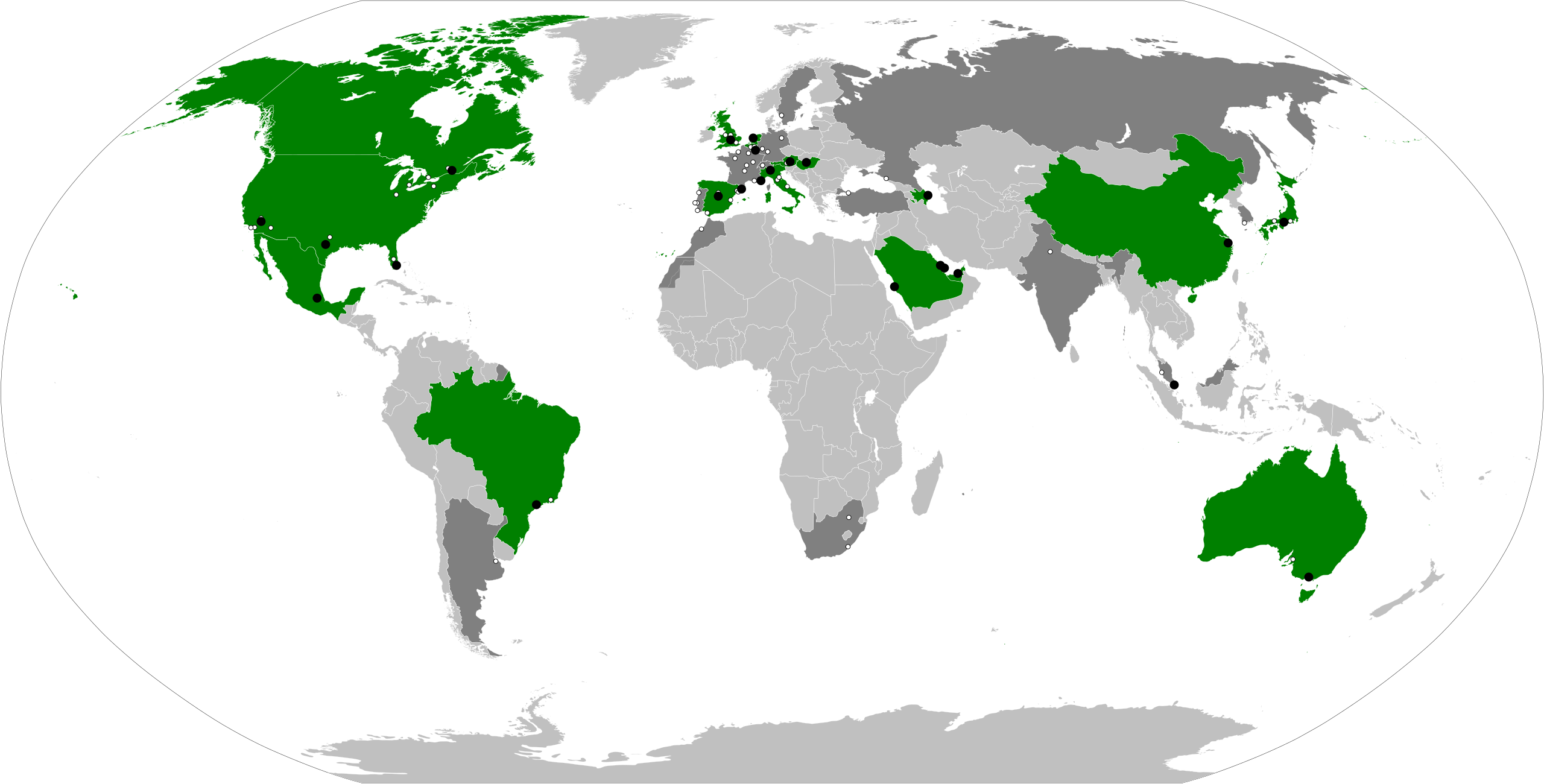
Liberty Media aims to expand the geography of Formula 1. After success in the Middle East (Qatar, Saudi Arabia), negotiations are underway for a Grand Prix in South Africa. In Asia, F1 is targeting Indonesia, India, and potentially Vietnam.
Fan Festivals — free demonstration events in cities around the world — have become a key tool. The format combines car displays, live music, and interactive activities with drivers. This is preparation for a possible race and a test of local demand.
Money and numbers: the anatomy of a billion-dollar business
In 2024, Formula 1’s revenue was $3.65 billion, up 25% from the previous year. Let’s break down where the money comes from.
Main sources of income:
Broadcasting rights are the main source of revenue, accounting for 32.8% of total revenue. Media giants pay huge sums for exclusive rights to broadcast races in their regions:
- Sky Sports signed a £1 billion deal with F1 for 5 years
- American ESPN — $75-90 million per year in the current contract and potentially up to $180 million
- Apple signed an exclusive US broadcast deal worth $160 million per year, starting next season
Track fees — each host country pays millions for the right to host a Grand Prix: from $20 million (Monaco) to $40 million (Hungary). Las Vegas has invested up to $600 million in infrastructure ahead of its first Grand Prix in 2023.
Sponsorship — 18.6% of total revenue, $2.4 billion in sponsorship revenue. The average sponsorship deal is worth $6.01 million, eight times more than the NFL. 319 partner brands.
Merchandise and licensing — approximately 19.3% of total revenue is generated by sales of souvenirs, licensing agreements, and premium services. F1 Paddock is a service that caters to VIP guests and team sponsors. Tickets cost around $5,000.
Viewers and digital presence:
In 2024, a total of 6.5 million fans attended Formula 1 races. Last year’s Las Vegas Grand Prix attracted more than 315,000 spectators over the weekend. The British Grand Prix at Silverstone broke all records, welcoming 480,000 fans.
The sport was watched by 1.6 billion television viewers and has 97 million followers on social media. The audience is growing at an explosive rate. The total television audience for the championship reached 1.6 billion views, and the number of fans watching the races online exceeded 500 million.
Teams and their budgets
One car costs $15-20 million (without an engine and upgrades). Until 2021, the top teams (Mercedes, Red Bull, Ferrari) spent $400-500 million per season. Now the budget limit is $145 million, not including driver salaries, marketing, and top management — the actual costs of the big teams still exceed $300 million.
The Alpine team loads about 45,000 parts onto a Boeing 777 for intercontinental races. Top teams like McLaren transport about 50 tons of equipment to each competition, and Mercedes has 2,323 employees for F1 operations.
Teams earn additional millions by transferring their technologies to the aerospace, automotive, and defense industries. McLaren and Mercedes Applied Science collaborate with Airbus and Boeing, Ferrari and McLaren implement F1 technologies in their production supercars, and Red Bull sells data analysis systems for defense projects.
The most expensive sponsorship deals for teams in 2025:
- HP — Ferrari: $100 million
- Oracle — Red Bull: $90-100 million
- Aramco — Aston Martin: $75 million
- Petronas — Mercedes: $70 million
- Stake — Sauber: $50 million
Prize money: complex mathematics
The distribution of prize money in Formula 1 is not public, and the official amounts and payment rules are regulated by a secret Concorde Agreement. The 2024 prize money was distributed according to three rules:
- 5% of the fund ($63.3 million) went to Ferrari as a historical bonus
- 20% ($253.2 million) was divided among the teams that finished in the top three over the past 10 years
- 75% ($949.5 million) was distributed among all teams based on the results of the 2024 season
The historical bonus for Ferrari is an annual financial payment (approximately $50-70 million) that the team receives due to its status as the only participant since the championship was founded (1950). Officially: for its contribution to the popularity of Formula 1. In reality: to retain such a player and partner.
McLaren, despite winning the Constructors’ Cup, received only the fourth largest payment ($149.8 million). Ferrari received the most ($251 million), followed by Mercedes ($208.6 million) and Red Bull ($183.3 million), thanks to their successes over the past decade.
Driver salaries: from $1 million to $75 million
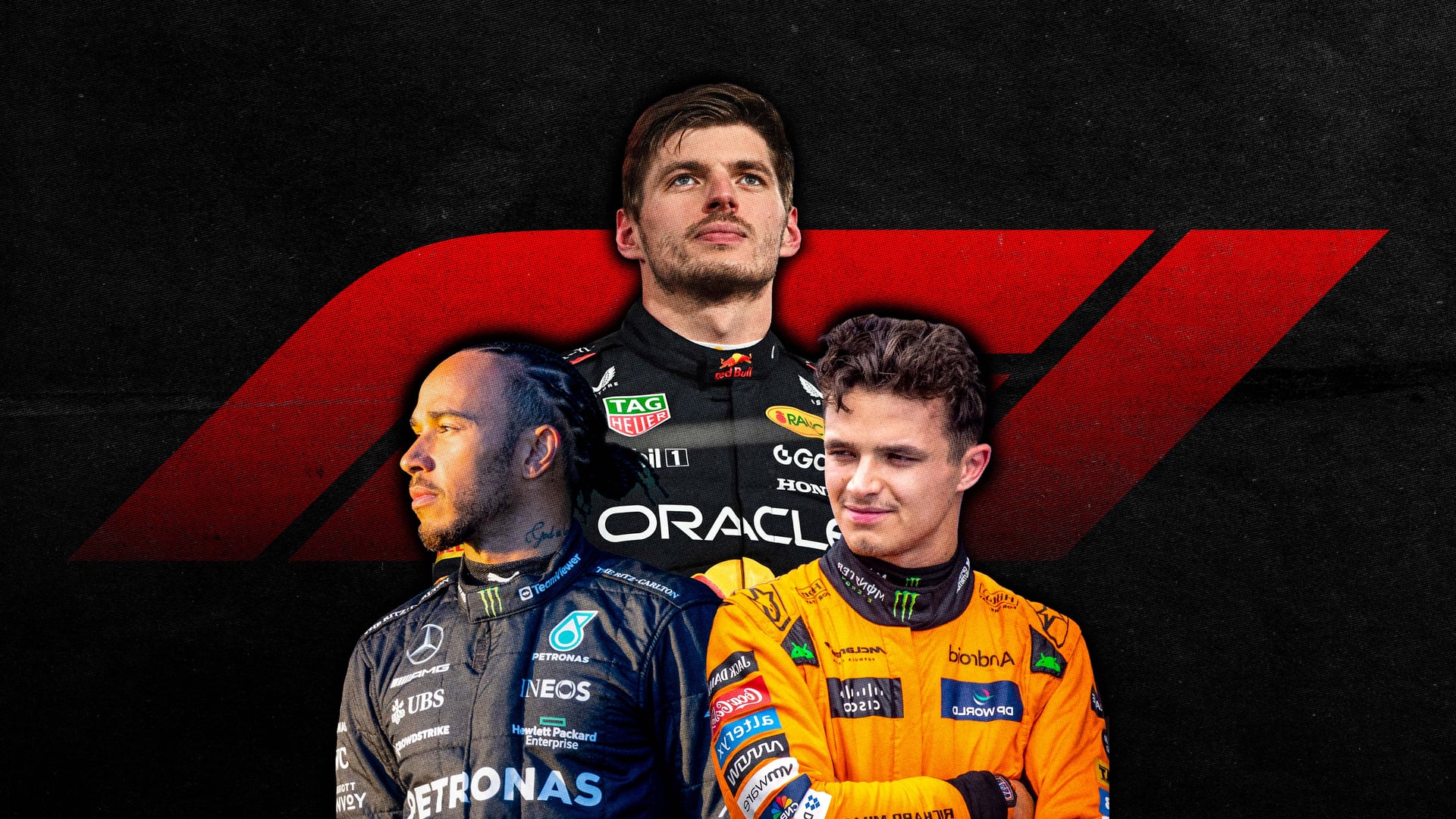
Max Verstappen was the highest-paid F1 driver for the third season in a row, earning $75 million in 2025. Lewis Hamilton earned $57 million in his last season with Mercedes. Lando Norris received $35 million for battling Verstappen for the title. Charles Leclerc at Ferrari receives $34 million.
According to Forbes estimates, the top ten drivers earned a combined $317 million — 23% more than the previous year. These are only salaries and bonuses, without sponsorship deals.
Driver contracts almost always include progressive bonuses. For example, Verstappen receives $60 million in base salary plus $1 million for each victory and $500,000 for pole position. Hamilton earned only $2 million in bonuses due to Mercedes’ poor results, while Norris received $23 million in bonuses for a successful season.
Most mid-level drivers (Kevin Magnussen, Pierre Gasly, Oscar Piastri, Esteban Ocon) receive $5-6 million in base salary per year. Rookies (such as Yuki Tsunoda) often receive minimum salaries (starting at $1 million) and bring their own sponsorship packages.
On average, a driver’s career lasts 10-15 years, so their managers build business portfolios. Top drivers often invest in startups. Hamilton invested in the British fast food delivery startup Zapp (which raised $200 million in a Series B round), Verstappen invests in tech companies, including VR startups. Nico Rosberg created Rosberg Ventures for mobile startups.
Formula 1 as a cultural event
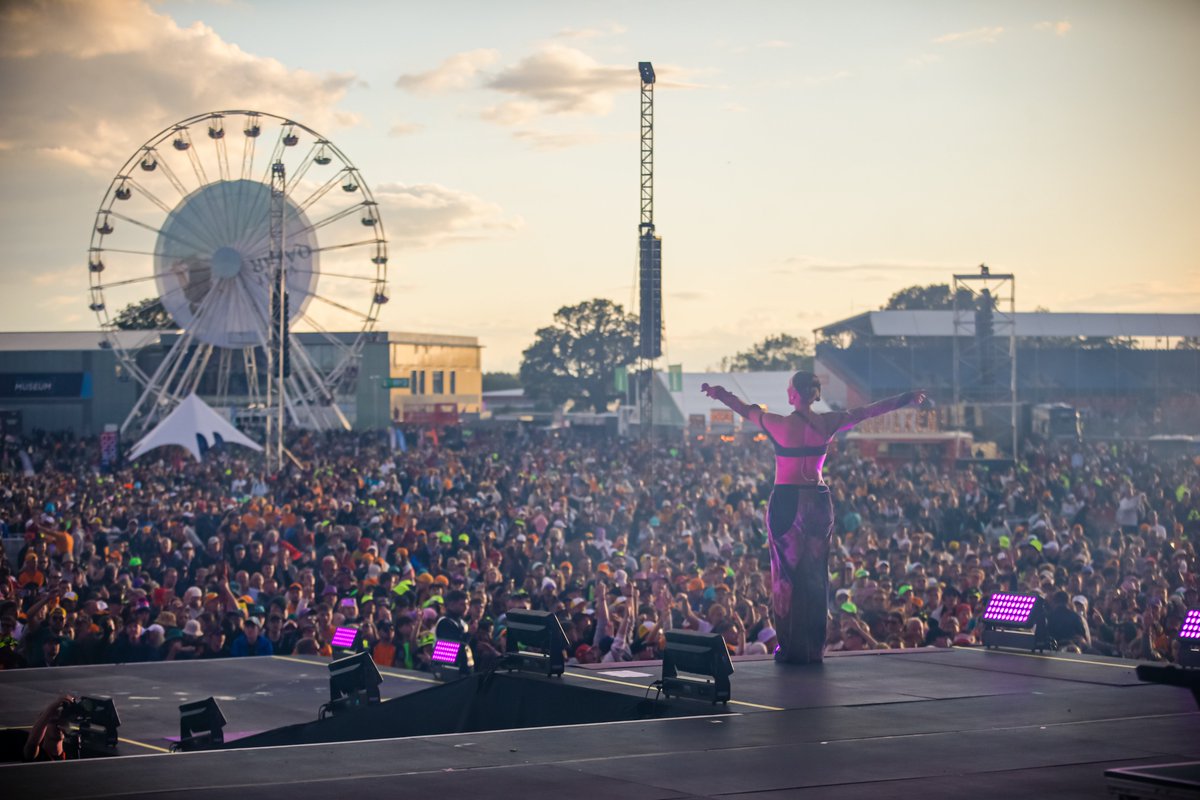
Grand Prix weekends are no longer limited to racing — they are full-fledged festivals with concerts, exclusive parties attended by world celebrities, gala evenings hosted by fashion brands, and private receptions for the business elite.
Liberty Media has made the sport multi-format. Partnerships with LEGO and Barilla have attracted children and families, while deals with LVMH have turned the paddocks into a celebration of luxury. The tracks now feature concerts by Calvin Harris and Alicia Keys, festival areas, photo zones, food courts, and interactive activities. F1 is a full-fledged cultural event that lasts a whole week.
Racing in the Liberty era includes concerts by global stars (The Killers, Alicia Keys, Calvin Harris) to turn the event into a large-scale show. During the Monaco Grand Prix, there are receptions on yachts organized by LVMH and TAG Heuer, and in Miami, there are private events attended by top celebrities.
Even brands that are not official sponsors interact with F1 on social media. For example, Ryanair regularly posts F1-themed memes to ride the wave of popularity. This demonstrates how deeply F1 has integrated into pop culture compared to what it was a decade ago.
Merchandise as part of the brand
Formula 1 is actively developing official merchandise. The F1 Store platform sells collections from all teams, driver clothing, and partner lines from Puma, Tommy Hilfiger, and Kith. Every season, new drops are released, and limited edition capsules for individual Grand Prix races appear. Teams launch their own fan collections with unique designs.
Merch has become an important part of the fan experience. People buy it and wear it in their everyday lives as a symbol of their team or driver. This increases brand visibility and generates additional revenue for teams and F1.
F1 75 Live: new standards for the start of the season
On February 18, 2025, Formula 1 held its first joint presentation of all 10 teams’ liveries at the O2 Arena in London. The event, dedicated to the 75th anniversary of the championship, attracted 15,000 spectators in the hall and over 7.5 million online viewers.
Each team had seven minutes to present their new car design. Performances included Machine Gun Kelly, Take That, and Tems. Lewis Hamilton’s debut with Ferrari and Aston Martin’s James Bond-style presentation attracted particular attention. This event set a new standard for the start of the season.
Gaming and virtual racing
Formula 1 is actively developing partnerships in the gaming industry. Every year, EA Sports releases the official F1 game, which is updated to reflect the teams and tracks. The F1 Esports Series virtual competitions have garnered over 11 million views in the last year, almost double the number in 2019. This audience became important during the COVID-19 pandemic, when virtual races temporarily replaced real ones.
What’s next: the formula of the future
Thanks to Liberty Media’s strategic decisions, Formula 1 has become a multimedia brand that combines racing, entertainment, fashion, social media, and storytelling. The outdated model of exclusivity and B2B partnerships, characteristic of the Ecclestone era, has given way to openness, flexibility, and working with a global audience.
Growth on social media, the success of the Netflix series, the launch of F1 TV, collaborations with LEGO, LVMH, clothing and cosmetics brands — all of these are part of the new ecosystem. Fans no longer just watch the track. Now they are TikTok subscribers, documentary viewers, merchandise buyers, sim racing players, and festival participants.
This is where the main transformation lies. F1 has learned to work with content, audiences, and emotions as a full-fledged brand. Instead of aging along with its audience, it has grown tenfold, renewed itself, and become part of pop culture.
Formula 1 in 2025 is the most dynamic sport of our time, where technology, commerce, and pop culture merge into a single spectacular show. The championship continues to expand geographically, adding new locations and attracting new fans in different parts of the world. The profits of teams and organizers are breaking records, and Grand Prix races are transforming into mega-events with multi-million dollar budgets.
Formula 1 drivers are already athletes — they are part of the global elite. Their contracts are worth tens of millions of dollars, and their presence at social events is on par with that of Hollywood stars. The question is not whether Formula 1 has reached the peak of its popularity, but how far it can still go.
In 75 years, F1 has evolved from a hobby for wealthy enthusiasts to a perfect ecosystem where everyone gets what they came for: sponsors — associations with luxury, fans — involvement in speed and adrenaline, organizers — billions in turnover.
Yes, there is a brilliant strategy behind the rise of Formula 1. The main reason why millions tune in every week is that it is still people who decide everything on the track. One turn, one mistake, one instinct. No marketing can simulate the feeling when a car is on the edge and the viewer holds their breath along with the driver.
Formula 1 has become fashionable, loud, beautiful — but at its heart, it still burns with the same desire as 75 years ago: to outrun everyone else.







Ми у соцмережах: